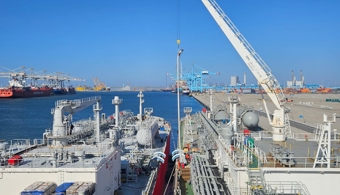
Supporting safe, large-scale ammonia bunkering at the Port of Rotterdam
Read article
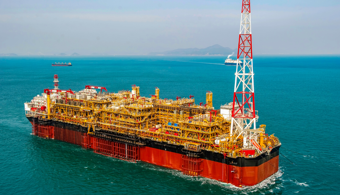
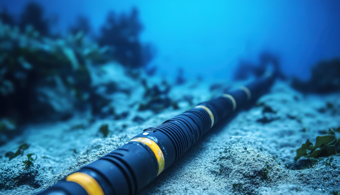
An international energy major sought support with cable de-burial, repair, and reburial operations in the Gulf of Mexico, using James Fisher’s controlled flow excavation(CFE) technologies.
Our customer needed a safe and effective method of exposing a subsea composite cable to enable a cable repair near an FPSO in shallow waters.
Variable soil conditions – from soft to medium strength - and vessel speed limitations impacted excavation performance, requiring a precise and powerful solution following field testing.
Seven specialists from James Fisher’s excavation team mobilised to the location to carry out the scope. The team deployed the Twin R2000 CFE tool to execute controlled de-burial of the 110mm cable, followed by remedial trenching and backfilling.
Trial excavations on-site optimised vessel speed and excavation parameters to achieve the required trench depth of up to two metres, enabling successful cable recovery and reinstatement.

Download the "Controlled flow excavation for cable repair near FPSO" case study to share with your team.

 Annual Report 2025